4 Signs of Gout in the Knee
What are the common signs of gout knee pain?
- Swelling and tenderness
- Sudden intense pain
- Redness and warmth
- Limited range of motion
Knee pain is a common symptom of several types of arthritis, such as gout. This condition, once dubbed as the “disease of kings” is characterized by sudden intense, often debilitating pain and inflammation. While gout is often associated with the big toe, it also tends to flare around areas that already have arthritis, such as the joints around the knee area. If you frequently experience pain around your knee area and are unsure if it is due to grout, here are some common signs that you might be experiencing gout knee pain.Overview
- Gout is a form of arthritis characterized by sudden, intense pain, swelling, and inflammation, often occurring at night and affecting joints such as the knees.
- Some of the common signs of gout knee pain are swelling, tenderness, redness, and warmth, which can limit the range of motion and significantly impact daily life.
- Chiropractors can help manage gout-related knee pain by reducing inflammation and improving joint flexibility and mobility.
Swelling and Tenderness
Generally, gout works its way up the body when left untreated. A gout attack often accompanies your knee joints becoming noticeably swollen and tender. Gout can develop when you have high uric acid levels in your body from the breakdown of purines. Purines are natural chemicals found in your body's cells and in certain foods such as red meat, some types of seafood, beer, and sugary drinks like soda. This buildup of uric acid can cause the formation of sharp urate crystals in the spaces within your joints. The presence of these crystals can cause your immune system to react by increasing blood flow to the area and releasing inflammatory mediators, which causes your knees to swell and feel tenderSudden Intense Pain
 One of the first indications of a gout attack is feeling sudden intense pain in your knees. This gout-related knee pain typically occurs at night, disturbing your sleep and your quality of life.
The intensity of the pain can feel overwhelming, with some describing the feeling as similar to feeling the joint being squeezed or crushed. In addition to their rudeness, gout attacks can escalate quickly and may last several days, making it difficult to find relief and resume your normal routine.
One of the first indications of a gout attack is feeling sudden intense pain in your knees. This gout-related knee pain typically occurs at night, disturbing your sleep and your quality of life.
The intensity of the pain can feel overwhelming, with some describing the feeling as similar to feeling the joint being squeezed or crushed. In addition to their rudeness, gout attacks can escalate quickly and may last several days, making it difficult to find relief and resume your normal routine.
Redness and Warmth
During a gout attack, your knee and its surrounding area may become red and feel warm to the touch. The affected knee becomes red due to the increased blood flow as your body attempts to manage the inflammation. Due to the metabolic activity and blood flow associated with inflammation. On the outside, you may also notice the skin over the joint might appear unusually shiny. The combination of redness and warmth, along with the other symptoms, helps differentiate gout from other conditions that may cause joint pain and inflammation, such as infections or other types of arthritis.Limited Range of Motion
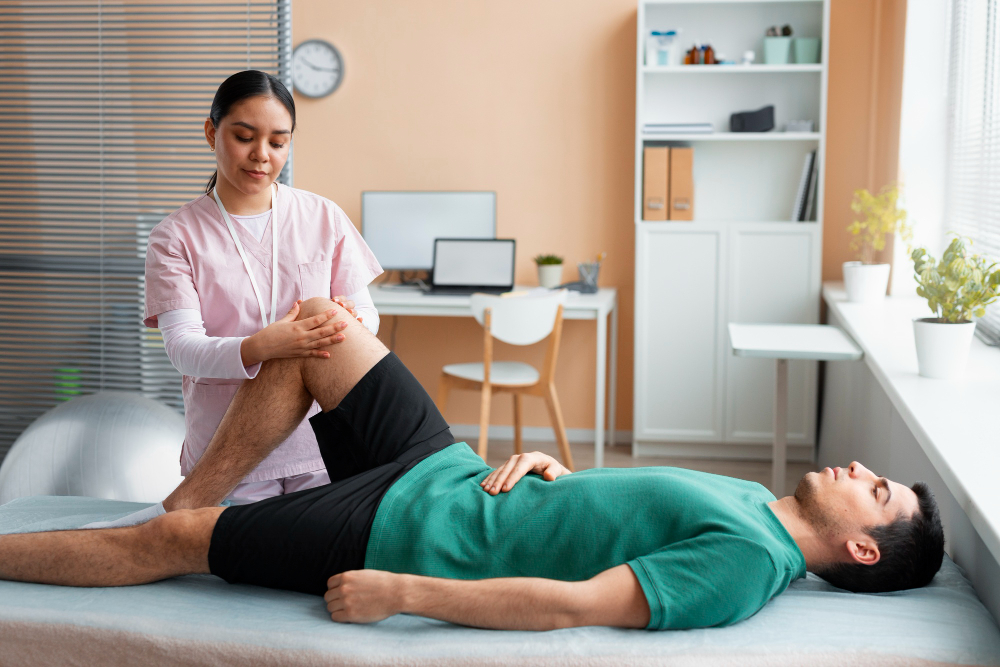
The pain can make knee movement difficult and uncomfortable during a gout attack. Everyday actions, such as bending or straightening the knee, may trigger intense pain and exacerbate symptoms. In some cases even when the knee is not visibly swollen, invisible tophi or deposits of uric acid crystals can still limit your movement. This restricted mobility is often one of the first signs of gout in the knee.When Are You More Likely to Develop Gout?
 You are more likely to develop gout after a certain age. For women, it can be after menopause, while men can experience gout after age 40. Some of the most common risk factors for developing this condition include:
- Diet which includes primarily eating food that can increase your uric acid such as red meat and shellfish.
- Alcohol consumption specifically beer, is also known to increase the risk of gout
- Weight gain as individuals who are overweight produces more uric acid. Their kidneys can also have a more difficult time eliminating that acid from the body.
- Medical conditions such as untreated high blood pressure as well as chronic conditions such as diabetes and kidney diseases.
How Can Chiropractors Help with Gout Knee Pain?
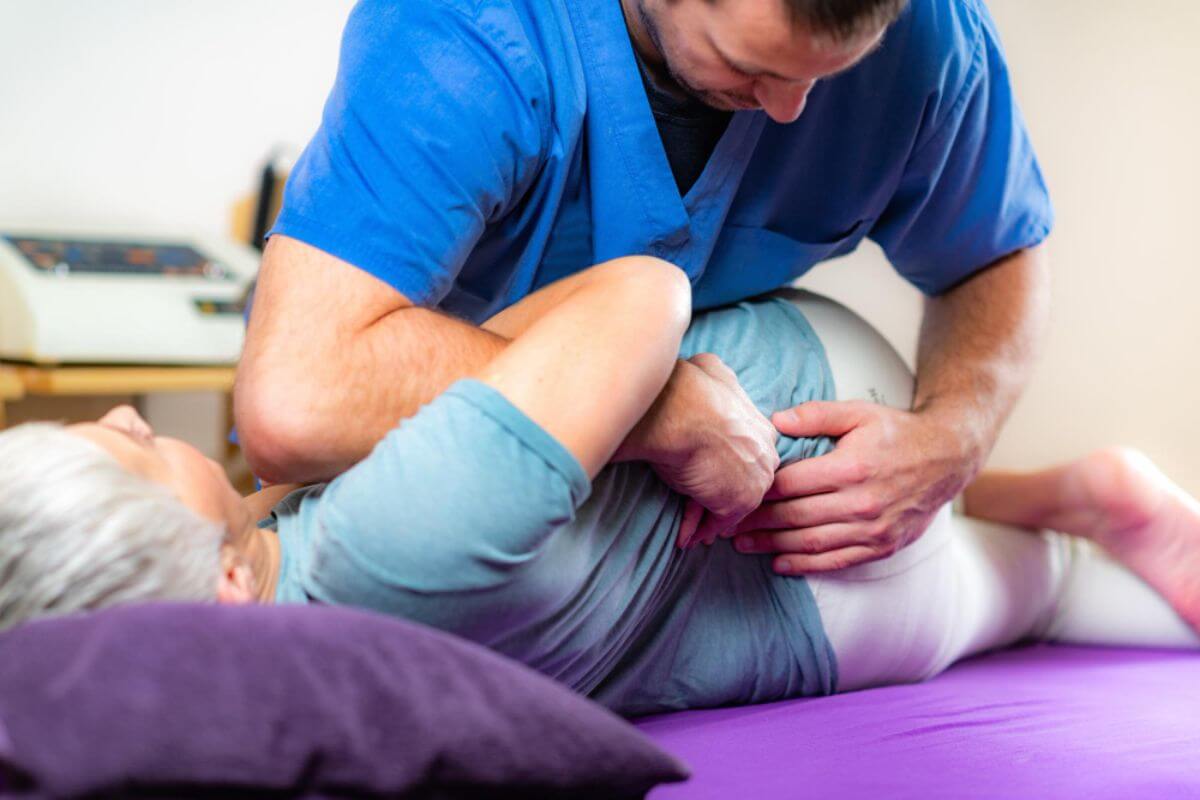
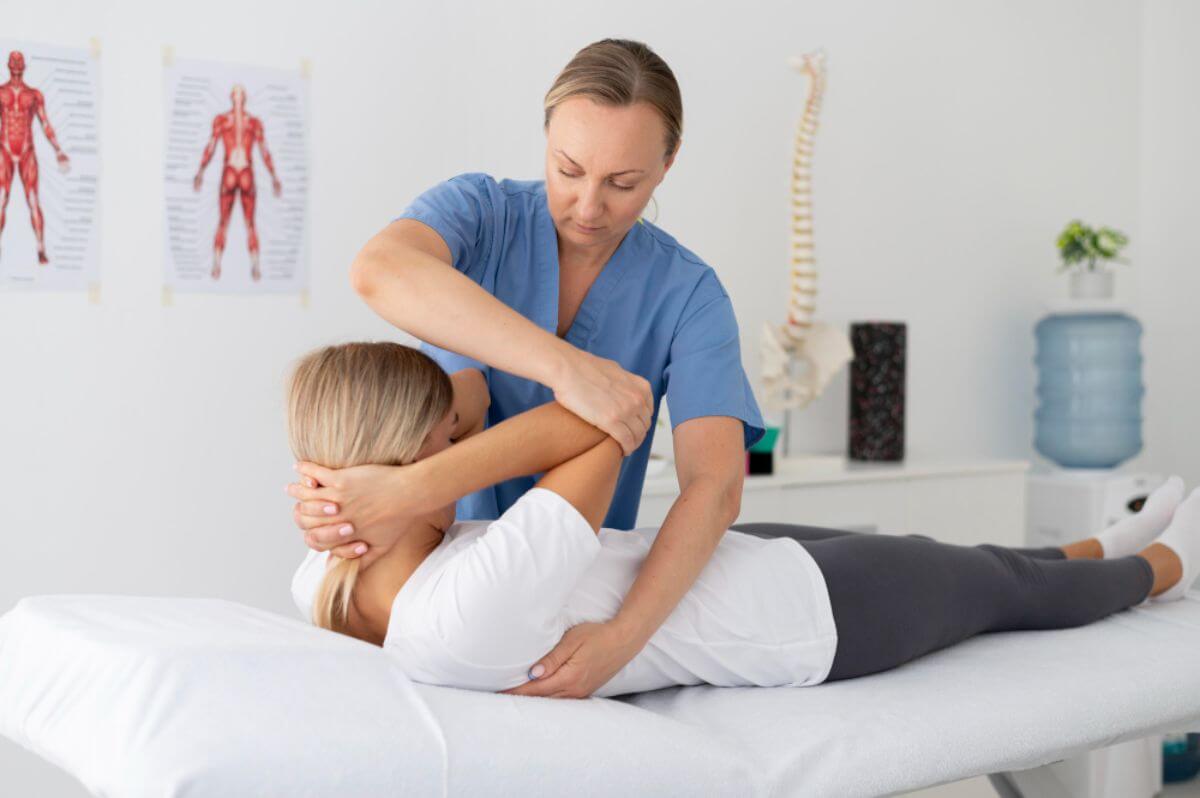
Chiropractors can perform chiropractic treatments that can offer relief from gout symptoms. These professionals focus on alleviating the pain and reducing the inflammation associated with gout related knee pain. Chiropractic care enhances joint range and movement by realigning the spine and joints, which helps restore normal movement patterns and reduce pain, allowing a return to daily activities. Improved joint flexibility and mobility can also prevent future gout flare-ups and injuries. Additionally, chiropractors may offer lifestyle advice, including weight management, dietary adjustments, and exercises to strengthen supporting muscles for better stability and support.Key Takeaway
Gout is painful but manageable with treatments like medication and chiropractic care. A healthy, balanced lifestyle is key to preventing flare-ups. If you're dealing with gout-related knee pain, Chiropractic Philippines offers personalized treatments to help manage and alleviate your pain. Schedule a consultation with our experts today!
Chiropractor Philippines offers a variety of back pain treatment services. If you want to learn more, click the button below.
Related Blogs