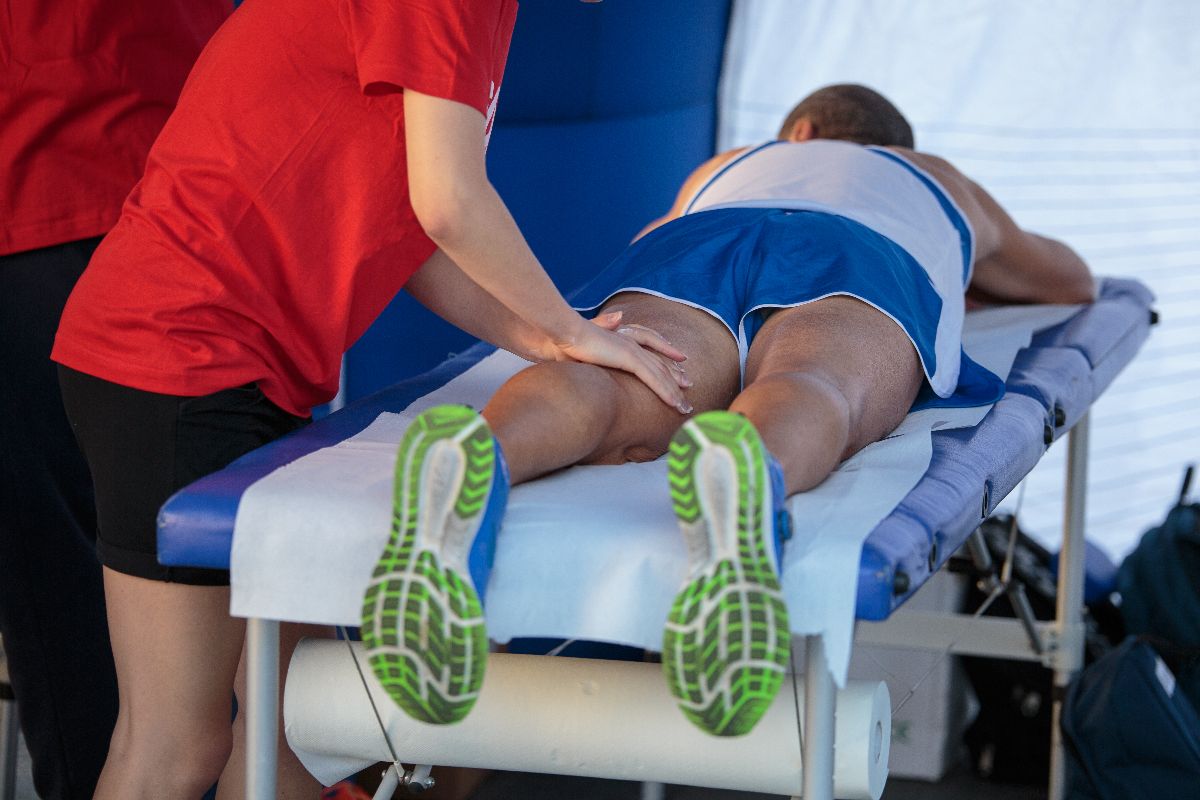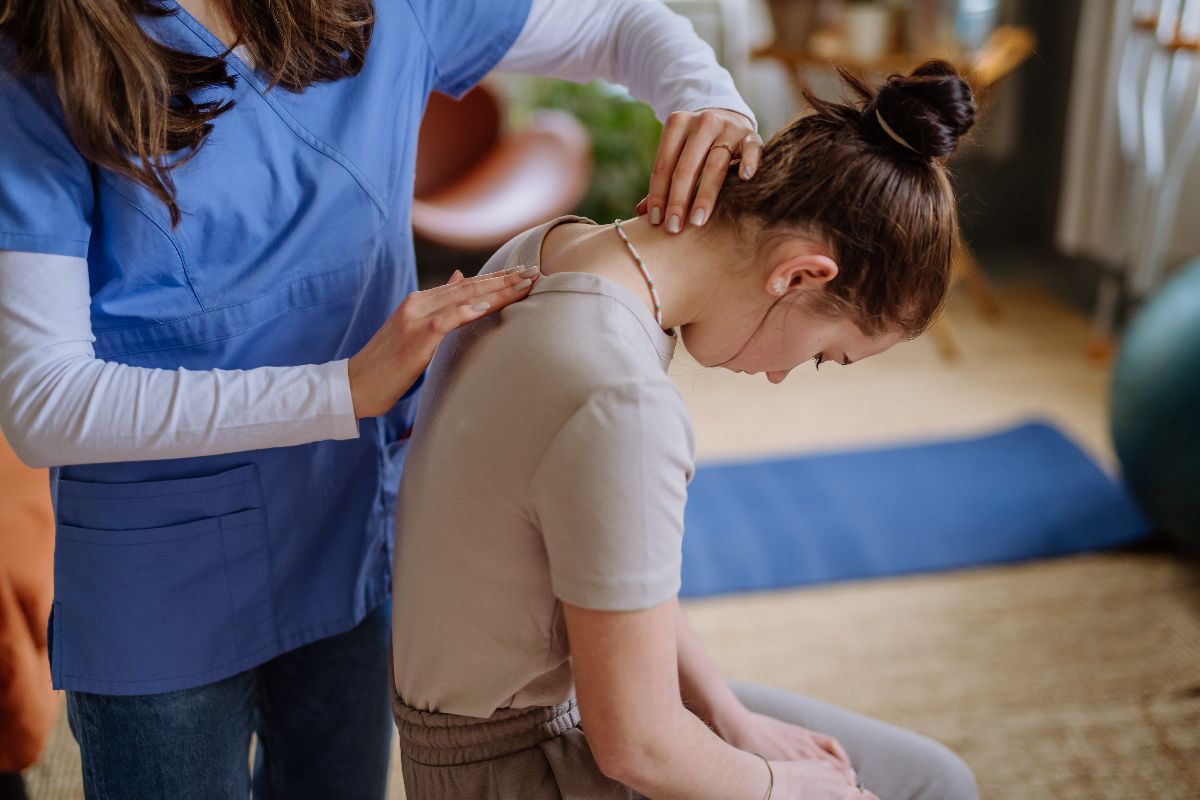
Chiropractor vs Sports Massage Therapist: Which Is Right For My Injury?
Once you commit to an active lifestyle, your body adapts quickly—becoming stronger, faster, and more resilient. However, pushing through intense training, repetitive movements, or inadequate recovery can strain muscles and joints, increasing the risk of injury. What starts as mild soreness can progress into lingering pain that affects your performance, daily routine, and overall mobility. When injuries slow you down, choosing the right recovery approach becomes essential. This is where many active individuals weigh their options between hands-on care providers. In this article, we’ll break down chiropractor vs. sports massage therapist to help you understand which specialist best supports your injury, recovery goals, and long-term physical performance.Overview
- Recovering from an injury can leave you wondering whether to see a chiropractor or a sports massage therapist, but before deciding, it is important to differentiate these two to ensure a more effective treatment.
- Chiropractors focus on spinal health, joint alignment, and nerve function, while sports massage therapists specialize in soft tissue work to relieve tension, improve mobility, and speed up recovery.
- At Chiropractor Philippines, we offer personalized, holistic chiropractic care to help you achieve safe, effective, and lasting relief.
When to See a Chiropractor
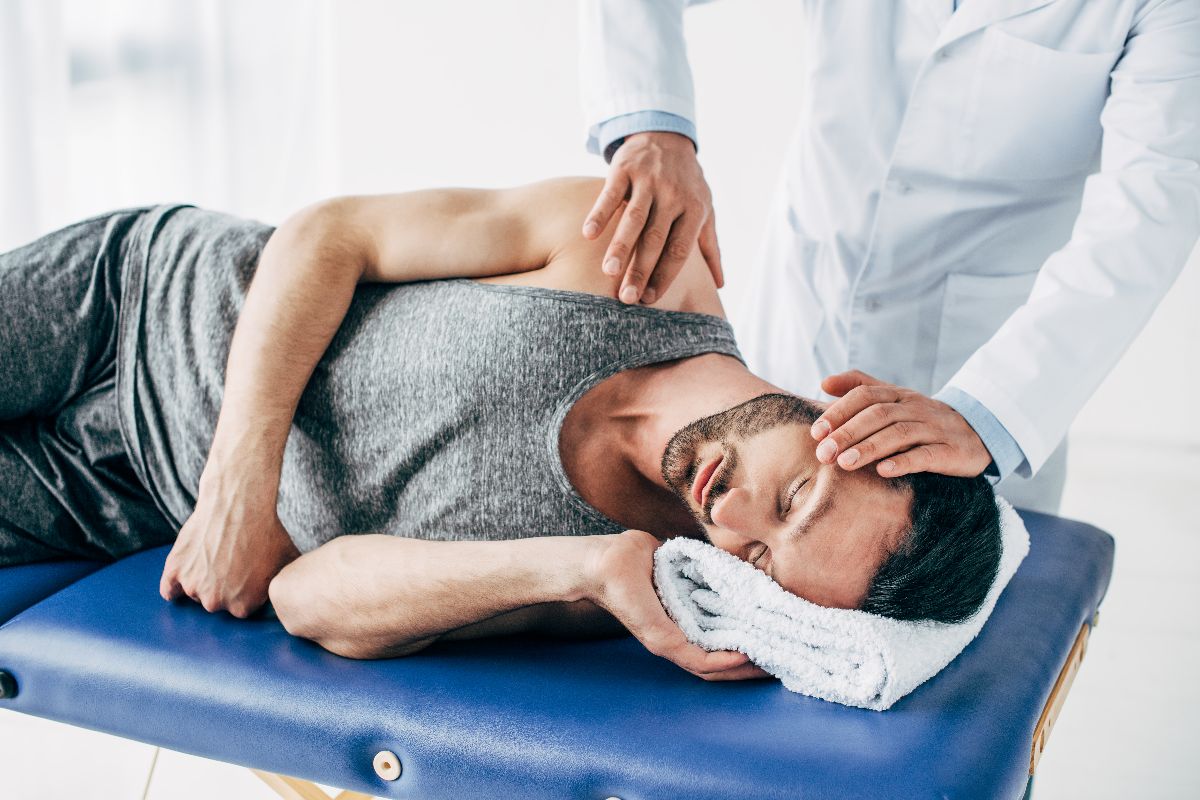 You should consider seeing a chiropractor when your injury affects how your body moves, feels, or performs during physical activity. For active individuals, issues like joint restriction, nerve irritation, or spinal imbalance can reduce strength, limit mobility, and increase the risk of further injury if left unaddressed. Chiropractic care focuses on correcting these structural issues so your body can move efficiently and recover properly.
Conditions
Chiropractic care is ideal when pain stems from joint misalignment or nerve involvement caused by repetitive strain, impact, or poor movement mechanics. Active individuals often experience these conditions when training volume increases or recovery is insufficient. You may benefit from seeing a chiropractor if you’re dealing with:- Back pain that worsens with movement or exercise
- Neck pain from posture strain or sports impact
- Sciatica that causes pain, tingling, or weakness down the leg
- Joint discomfort that limits performance or stability
- Nerve-related symptoms such as numbness or reduced strength
Goal
The goal of chiropractic care is to restore proper joint alignment, reduce nerve pressure, and improve overall movement quality. By correcting structural imbalances, chiropractic treatment helps relieve pain, enhance mobility, and support safer performance during physical activity. For active individuals, this means faster recovery, better biomechanics, and a lower risk of recurring injuries.When to See a Sports Massage Therapist
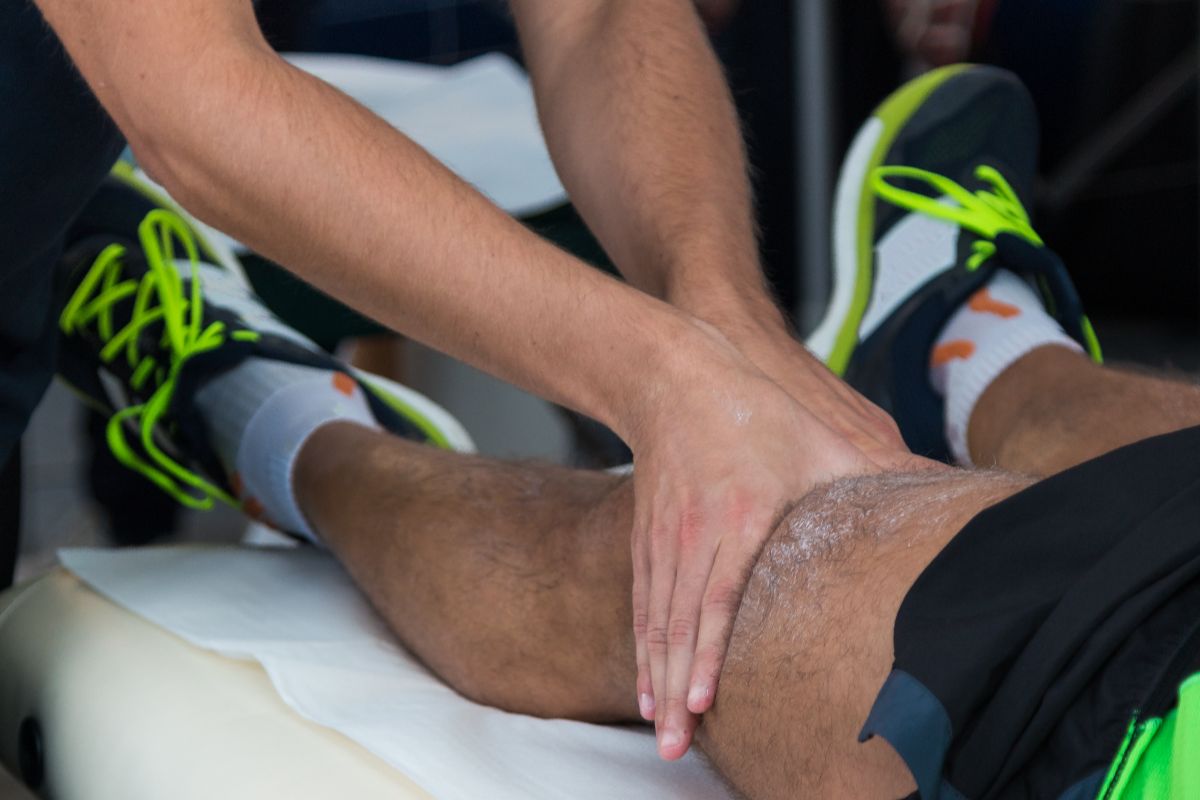 You should consider seeing a sports massage therapist when muscle tension, soreness, or tightness starts to affect your training, recovery, or daily movement. For active individuals, intense workouts, repetitive motions, and physical impact can overload muscles and soft tissues, leading to stiffness and reduced flexibility.
Sports massage therapy addresses these issues by improving muscle condition, supporting recovery, and helping the body bounce back faster after physical strain.
You should consider seeing a sports massage therapist when muscle tension, soreness, or tightness starts to affect your training, recovery, or daily movement. For active individuals, intense workouts, repetitive motions, and physical impact can overload muscles and soft tissues, leading to stiffness and reduced flexibility.
Sports massage therapy addresses these issues by improving muscle condition, supporting recovery, and helping the body bounce back faster after physical strain.
Conditions
Sports massage therapy is best suited for injuries and discomfort rooted in muscle fatigue, soft tissue stress, and limited flexibility. Active individuals often experience these issues during heavy training cycles, post-competition recovery, or when muscles are overworked without enough rest. You may benefit from seeing a sports massage therapist if you’re experiencing:- Muscle tightness after intense workouts or training sessions
- General soreness and stiffness from frequent physical activity
- Restricted range of motion that affects performance or comfort
- Recovery needs from sports-related injuries, such as ACL strains or shoulder injuries
Goal
The goal of sports massage therapy is to release muscle tension, increase blood circulation, and speed up recovery. Improving soft tissue flexibility and reducing muscle fatigue helps active individuals recover more efficiently and return to training with less discomfort. This approach supports better performance, reduces downtime, and helps prevent muscle-related injuries from becoming long-term problems.Key Differences of a Chiropractor vs Sports Massage Therapist
Understanding the key differences between chiropractic care and sports massage therapy helps active individuals choose the right treatment based on the source of their pain, type of injury, and recovery goals. While both support injury recovery and performance, they differ in focus, technique, and professional training.Focus
- Chiropractic Care: Uses precise, controlled adjustments to realign joints and restore proper motion. These targeted techniques relieve pressure on nerves, improve joint function, and enhance overall movement efficiency.
- Sports Massage Therapy: Applies hands-on pressure and kneading techniques to soft tissues. This method increases blood flow, breaks down muscle knots, and helps the body recover from physical stress.
Technique
- Chiropractic Care: Uses precise and controlled force on specific points of the body structure to adjust and manipulate joints
- Sports Massage Therapy: Involves kneading techniques and applying pressure to muscles and surrounding tissues.
Education
- Chiropractic Care: Chiropractors complete extensive medical training focused on spinal health, biomechanics, and nervous system function. This includes:
- A 4-year bachelor’s degree
- 4–5 years of chiropractic education and clinical training
- Certification through the Philippine Institute of Traditional and Alternative Healthcare (PITAHC)
- Sports Massage Therapy: Sports massage therapists undergo specialized technical training centered on soft tissue care. This includes:
- Completion of the TESDA-accredited Massage Therapy NC II program
- Practical training in anatomy, physiology, and massage application
- Passing a national licensure exam administered by the Department of Health (DOH)
Set an Appointment with Dr. Ben at Chiropractor PH
If you’re weighing your options and want expert guidance, consulting with a qualified chiropractor can help you make a confident decision. Dr. Benedicto Luz Adorable III is a highly trained and internationally recognized chiropractor, as well as the CEO and Founder of Philippine Chiropractic Healthcare Specialist. His patient-centered and holistic approach focuses on understanding your condition first before recommending any treatment. At Chiropractor PH, each session begins with a thorough assessment to identify the root cause of your back, spine, or neck concerns. This allows for a personalized treatment plan designed around your activity level, injury history, and recovery goals. With clinics located in Parañaque and Alabang, support is accessible when you’re ready to take the next step toward informed, long-term relief.Key Takeaway
Without the same anatomy knowledge as experts, it’s not always easy to know whether you should see a chiropractor or a massage therapist. Understanding the key differences between these two forms of care is essential for effective and faster recovery. At Chiropractor Philippines, you can experience a non-invasive procedure delivered by the skilled hands of our experienced chiropractor. We provide personalized treatment plans designed to relieve pain, restore mobility, and support your overall well-being. Contact us today to book your appointment and explore our discounted packages to help you stay healthy and active.
Chiropractor Philippines offers a variety of back pain treatment services. If you want to learn more, click the button below.
Related Blogs